

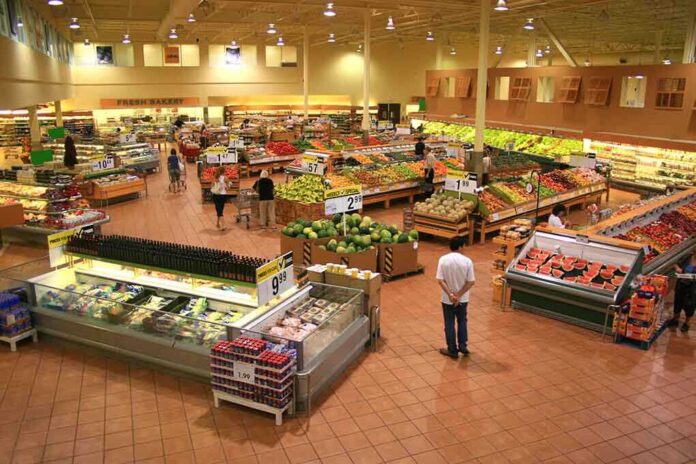
America’s grocery landscape is a patchwork of options, but the real secret to slashing your food bill isn’t a store—it’s a strategy anyone can master, even in places where Kroger is a distant rumor.
Story Snapshot
- Mapping your local grocery scene instantly reveals money-saving opportunities hiding in plain sight.
- Flexible meal frameworks turn weekly sales and markdowns into satisfying dinners, not food waste.
- Store brands and seasonal or frozen produce can cut costs without sacrificing nutrition or variety.
- Bulk buying and digital deal-hunting are powerful—even in small towns and rural areas.
How Your Grocery Store Map Dictates Your Savings
Grocery shopping is a game of margins and motivation. It starts with a pen and a 10-minute map of every store within driving distance. Discount chains like ALDI and Grocery Outlet often undercut traditional stores on core staples. Warehouse clubs such as Costco or Sam’s Club reward bulk purchases if you stick to essentials. Ethnic markets can surprise with low prices on rice, beans, and spices, while salvage stores offer shelf-stable deals if you check dates. Even big-box stores like Walmart and Target quietly dominate with their store brands. The key is to pick the one store offering the best price for your “home base” and make it your default—no more driving across town for a single deal, no more decision overload.
Farmer’s markets and roadside stands change the game in season, letting shoppers stock up and freeze produce at its cheapest and freshest. The real win comes from consistency: the more you know your stores’ patterns, the less you spend, and the less you waste time chasing deals that don’t translate to real savings.
Flexible Meal Frameworks: The Backbone of Budget Menus
Recipe-driven shopping often leads to frustration and overspending. Instead, building a weekly menu around inexpensive frameworks—beans and rice bowls, soup and bread, breakfast for dinner, pasta with sauce and veggies—lets you pivot based on the best prices you find. When chicken costs more, make lentil stew. If broccoli is pricey, swap in carrots. This approach absorbs surprises and markdowns, adapting to sales and clearance racks without sacrificing variety. It’s the difference between a rigid plan and a resilient system.
Plug in sale items and clearance finds, and you’re not just saving money—you’re reducing waste, avoiding extra trips, and keeping your budget flexible. It’s how a markdown on chicken thighs can become three meals: roasted chicken, chicken fried rice, and homemade soup from the bones. Frameworks turn unpredictability into opportunity, giving you control over your grocery bill regardless of what’s on the shelves.
Markdowns, Store Brands, and Seasonal Produce: The Underrated Trio
Every store, from the smallest corner shop to the largest supermarket, wants to move perishables before they expire. That’s why bakery racks, meat cases, and produce clearance bins are the first stops for smart shoppers. Marked-down items can offer 25–50% savings and become the backbone of the week’s meals. If you planned pasta but find marked-down chicken, pivot and roast it with carrots and potatoes.
Store brands cut costs further, often delivering the same quality as name brands minus the marketing markup. Block cheese to shred at home, whole lettuce instead of bagged salads, and store-brand oats for homemade granola all add up to serious savings. Frozen vegetables, picked at their peak and flash-frozen, rival fresh produce for nutrition and price, especially out of season. When fresh berries spike in cost, frozen keeps variety affordable.
Bulk Buying and Digital Tools: Modern Frugal Power Moves
Bulk buying, especially through platforms like Azure Standard, shrinks per-unit costs for staples—rice, flour, beans, oats. Rural areas and small towns aren’t left out; scheduled deliveries to local drop points make bulk accessible. The trick: buy only what you’ll use, split large bags with friends, and store goods properly to avoid waste. A price book helps compare deals and ensure savings are real.
Technology turbocharges the process: store apps reveal digital coupons and hidden price drops, while local bloggers and Facebook groups surface regional deals and markdown patterns. “Your city + grocery deals” searches can uncover double-markdown days and private-label bargains. The combined effect is a radically easier planning process and greater savings, driven by community and insider knowledge.
Sources:
How to Save Money on Groceries When You Don’t Have Kroger


